
Five Key Insurance Issues for Ontario Cottage Resorts and RV Campgrounds
If you run a Cottage Accomodation resort or RV campground in Ontario, you’re juggling guest experience, weather, seasonal staff, and a lot of physical risk, all while trying to keep insurance affordable and reliablet description.
RESORT/HOTELS/CAMPSGENERAL ARTICLES
Five Key Insurance Issues for Ontario Cottage Resorts and RV Campgrounds
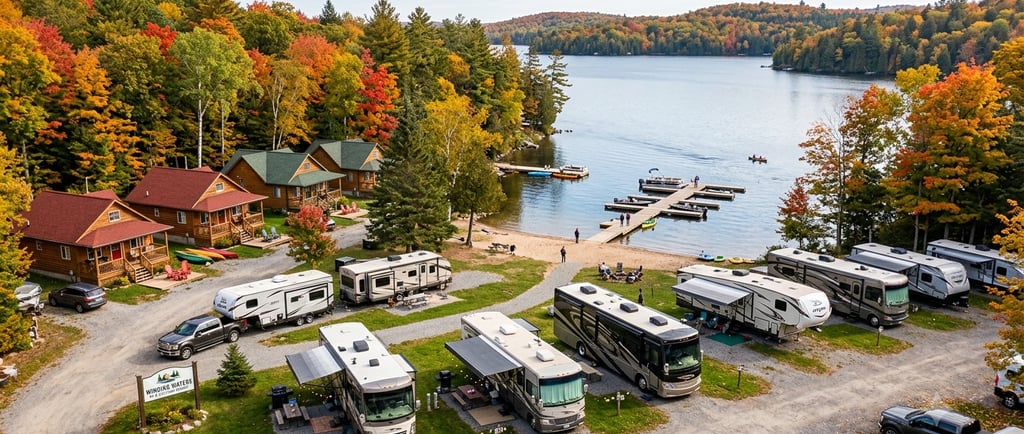
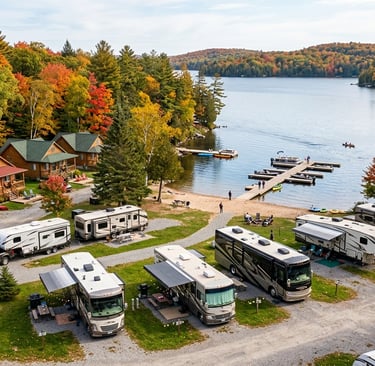
If you run a Cottage Accomodation resort or RV campground in Ontario, you’re juggling guest experience, weather, seasonal staff, and a lot of physical risk, all while trying to keep insurance affordable and reliable.
Here are five key areas operators of “lake and RV” properties should keep a close eye on.
1. Big Water Toys and Waterfront Risk
The inflatable climb‑and‑slide structures, trampolines, and floating playgrounds are becoming standard on many Ontario lakes, but they make a lot of insurers very nervous.
Why they’re a problem:
Height + water + kids = high‑severity injury potential from falls, collisions, and shallow‑water impacts.
Supervision is tricky: guests come and go, the weather changes quickly, and it’s hard to control numbers on the equipment.
Anchoring, distance from shore, and water depth all factor into risk and underwriting appetite.
If you’re using or considering these inflatables:
Talk to your broker before buying or installing one; some markets will decline outright.
Expect strict conditions (rules, signage, supervision, fenced/beach controls, hours of use) if coverage is even available.
Be prepared to weigh the guest's “wow factor” against genuine injury risk and potential insurer pushback.
You can still offer great waterfront experiences, but they should be designed with both safety and insurability in mind.
2. Boat Rentals: A High‑Risk Extras Category
Boat rentals are another hot‑button area. Many resorts historically rented aluminum boats with small motors or paddleboats, but insurers increasingly see this as a line in the sand.
Key concerns:
You’re could be putting limited or no-experience operators on the water in your equipment, often with widely varying skill levels or ability.
Collisions, property damage, injuries, and search‑and‑rescue situations can drag the resort directly into liability disputes.
Proper screening, waivers, and safety briefings are labour‑intensive and still don’t eliminate risk.
Practical takeaways:
Consider avoiding motorized boat rentals altogether; many insurers treat them as a red‑flag exposure.
If you do rent boats, expect heavy scrutiny of procedures: waivers, check‑out process, safety rules, maintenance logs, and eligibility criteria.
Sometimes the best financial decision is to let guests bring and operate their own boats under clear dockage and safety rules, rather than running a rental fleet.
With so many upstart companies offering boat rentals as their principal line of business. It really seems that stepping back from offering the boat rental would be a reasonable decision.
You can still be a fantastic “destination” without formal boat rentals by focus on clean waterfront, safe swimming areas, and clear rules for guests’ own watercraft.
3. Buildings, Cabins, and Their Upgrades (Or Lack Thereof)
Ontario cottage resorts often have a mix of older cabins, original lodges, bunkies, yurts, and newer park models or trailers. That patchwork is charming, but it matters a lot to insurers.
Key issues:
Age of buildings: older wiring, plumbing, heating systems, and roofs all increase fire and water‑damage risk.hcwlaw+1
Quality of updates: “DIY” renos without permits or inspections can worry underwriters.
New structures: yurts, bunkies, glamping units, expanded docks and decks need to be properly reported, valued, and built to reasonable standards.
Depending on age, condition, and update history, some insurers will only offer Named Perils rather than broader All Risk/All Perils coverage on certain buildings.
That means only specific listed causes of loss are covered, while broader forms cover a wider range of accidental damage.
Practical steps:
Keep simple records of building ages and major updates (roof, wiring, heating, plumbing), and permits where applicable.
Ask your broker which structures are on “all perils” versus “named perils,” and get plain‑language examples of what that means.
Before you add cabins, yurts, or glamping units, loop in your broker so the insurer is comfortable and values them correctly.
The more up‑to‑date and well‑documented your buildings are, the easier it is to secure broader coverage forms and avoid stripped‑down policies.
4. Liquor, Campfires, and Social Spaces
Small cottage resorts and campgrounds live on atmosphere: campfires, decks, small lounges, potlucks, and social nights. That’s the charm—but alcohol and gatherings can quickly change your risk profile.
Key considerations:
If you’re licensed (bar, restaurant, lounge, or special‑occasion events), proper liquor liability coverage is critical.
Even if you don’t serve alcohol, hosting organized events where drinking is expected can create grey areas in liability.
Campfires, shared decks, and common areas where people gather late at night add to slip, trip, fall, and fire risk.
Practical moves:
Be clear on what you do and don’t offer: licensed service, BYOB only, guest‑run events, quiet hours, and fire rules.
Make sure your broker knows exactly how liquor is handled on site so coverage, limits, and exclusions match reality.
Have and enforce written rules around campfires, quiet hours, glass containers, and alcohol in common areas; signage and staff reminders matter.
The goal is not to kill the cottage vibe, it’s to ensure the way you create that atmosphere doesn’t inadvertently put the resort on the hook for avoidable incidents.
5. Shrinking Coverage: Named Perils, Exclusions, and the Illusion of Savings
In a tougher insurance market, some resort and campground owners try to cut costs by trimming coverage, often without realizing how much protection they’ve given up.moderncampground+1
What’s happening out there:
Premium‑saving changes like higher deductibles, lower limits, or switching to named‑perils only can quietly reduce what actually gets paid at claim time.graniteinsurance+1
New exclusions or sub‑limits are being added for certain hazards—water toys, liquor, abuse/molestation, cyber, or extreme weather—often buried in policy updates.nstarba+1
Some operators focus only on the top‑line premium and miss the fact that key coverages (business interruption, equipment breakdown, broad form property) have been cut back.moderncampground+1
Why this matters for cottage resorts and campgrounds:
You’re exposed to weather, guests, and seasonal income swings—the exact conditions that make strong property and liability coverage valuable.
The “cheap” policy that quietly drops vital protections can turn one bad season or one serious claim into a business‑ending event.
Practical protection:
Work through renewal summaries with your broker line by line: what’s changed, what’s excluded, which buildings are on named vs. all perils, what sub‑limits exist.
Ask for plain‑English explanations of any endorsement that removes or restricts coverage; don’t be shy about pushing for clarity.
Treat big coverage changes as strategic decisions, not just ways to shave a few dollars off the invoice.
The real goal isn’t the lowest premium. It’s a sustainable level of protection that lets your resort or campground survive the kind of claim that “never happens”…until it does.
If you treat your broker like a partner, looping them in before big changes and giving them a clear, accurate picture of your resort, they’re in a much stronger position to advocate for you with insurers.
Disclaimer: This article is for general information purposes only and does not constitute legal, financial, or insurance advice. Insurance rules and coverage details can change, and individual circumstances vary significantly. For specific guidance about your policy, coverage options, or how these changes affect your situation, please contact a licensed insurance broker, agent, or insurer directly. You may also want to review the policy wording or consult with a legal professional for personalized advice.