
5 Insurance Risks Every Dealership Should Watch Before They Sell Another Car
Whether you operate a full dealership or a garage with a side dealership, the insurance issues can get complicated fast. Once vehicles are being bought, sold, test-driven, and sometimes taken home by staff, the risk picture changes quickly.
AUTO SERVICETRANSPORTATIONGENERAL ARTICLES
5 Insurance Risks Every Dealership Should Watch Before They Sell Another Car
Whether you operate a full dealership or a garage with a side dealership, the insurance issues can get complicated fast. Once vehicles are being bought, sold, test-driven, and sometimes taken home by staff, the risk picture changes quickly.
1. Limited markets for dealership insurance
Not every insurer wants to write dealership business, especially when there are used vehicles, repair activity, towing, outside lot exposure, or higher-than-average test-drive risk. Dealers often need a broker who knows which carriers are actually willing to look at the class of business. The right market matters because a poor fit can leave gaps in coverage or create problems at claim time.
2. OMVIC and compliance exposure
In Ontario, OMVIC compliance is a big part of the risk picture for anyone selling vehicles. If the business is not set up properly from a licensing and disclosure standpoint, the insurance issue can become worse after a claim. A dealership should treat compliance as part of its risk management, not just an administrative checkbox.
3. Test drives and staff using vehicles
When test drives and staff taking vehicles home are combined, the risk becomes a broader vehicle-use issue. Both activities need clear controls: verifying driver information, setting route limits, documenting who is allowed to take vehicles out, and limiting how often staff can take cars home. The goal is to avoid turning business inventory into personal-use exposure.
4. Service plates and dealer plates
Service license plates and dealer plates are useful tools, but they must be used correctly. They are meant for business-related driving, not for extended personal use or as a long-term way to plate vehicles for private use. Common abuses include:
Driving vehicles with dealer plates for long periods as if they were personal cars
Using plates at incorrect times (for example, outside allowed business hours or for non-business purposes)
Letting staff use dealer plates without clear authorization or tracking
Insurers are now taking a closer look at how many Dealer/Service plates relative to company size and on how plates are used because misuse can trigger coverage problems and even regulatory issues. Proper use means keeping records, limiting who can use plates, and ensuring the driving is tied to dealership business.
5. Inventory, keys, and lot security
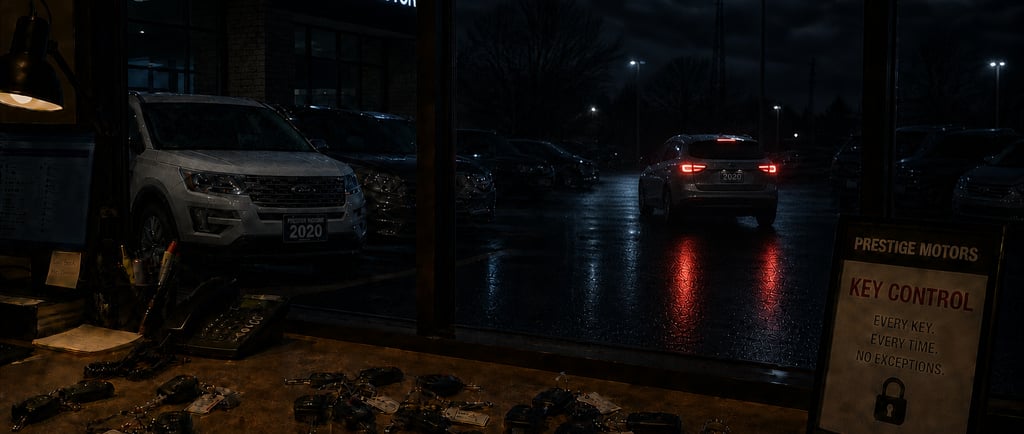
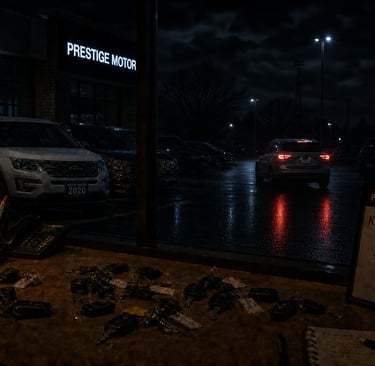
Vehicles on the lot are not just inventory, they are high-value movable assets. Insurers will often look closely at how keys are stored, whether the lot is fenced, what surveillance is in place, and how units are tracked after hours. Strong physical security and key control can make a real difference when a loss occurs.
Closing:
Selling cars can be profitable, but the insurance side needs to be handled with the same care as the sales side. If you’re running a dealership or a garage with a side dealership, it’s worth reviewing your coverage and your day-to-day practices to make sure they match the risk.
If you want help reviewing your dealership insurance setup, reach out me at either CommercialGuy.Insure or GarageGuy.Insure for a conversation about your specific situation.
Disclaimer: This article is for general information purposes only and does not constitute legal, financial, or insurance advice. Insurance rules and coverage details can change, and individual circumstances vary significantly. For specific guidance about your policy, coverage options, or how these changes affect your situation, please contact a licensed insurance broker, agent, or insurer directly. You may also want to review your official Policy or consult with a legal professional for personalized advice.