
5 Insurance Risks CNC and Manufacturing Shops Should Not Overlookog post
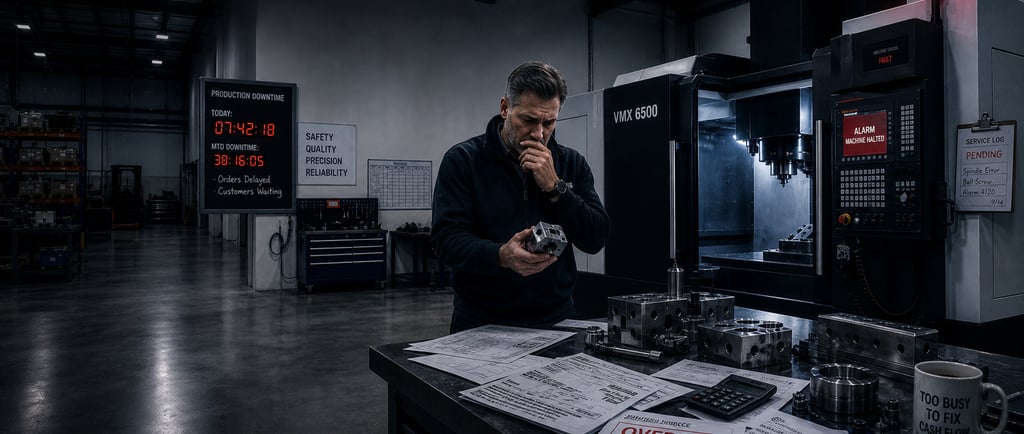
Precision matters in manufacturing. CNC and machine shops are built around tight tolerances, expensive equipment, production deadlines, and customer expectations. That also means a single breakdown, delay, or liability issue can ripple through the entire business.
MANUFACTURINGGENERAL ARTICLES
5 Insurance Risks CNC and Manufacturing Shops Should Not Overlook
Precision matters in manufacturing. CNC and machine shops are built around tight tolerances, expensive equipment, production deadlines, and customer expectations. That also means a single breakdown, delay, or liability issue can ripple through the entire business.
Here are five insurance-related risks that CNC and manufacturing shops should not overlook.
1. Equipment breakdown can stop production fast
A CNC shop may be able to absorb a minor delay, but a serious mechanical or electrical breakdown on a key machine can bring production to a halt. Unlike a more general property policy, equipment breakdown coverage is designed to respond to losses tied to sudden and accidental failure of production machinery, electrical systems, and other critical equipment.
For manufacturers, that can mean more than just the repair bill. Depending on the policy wording, coverage may also help with resulting income loss, extra expense, or other related costs tied to the shutdown.
2. Expensive machines should be properly scheduled and valued
Many shops have made major investments in CNC routers, lathes, mills, presses, and other production equipment. When values are outdated or equipment is not properly scheduled, a claim may not reflect the real cost to repair or replace what the business depends on.
This is especially important in a market where specialized machinery can be expensive to source, install, and recalibrate. Even when a shop has coverage in place, reviewing insured values regularly helps reduce the risk of a painful gap between what the machine is worth to the operation and what the policy may actually respond to after a loss.
3. Business interruption can hurt even after the machine is repaired
Repairing the machine is only one part of the problem. When production is delayed, the business may also face lost income, continuing expenses, missed delivery dates, payroll pressure, and damage to customer relationships.
Business interruption coverage matters because the real financial hit often comes from downtime, not just physical damage. A shop that is temporarily unable to cut parts, finish projects, or meet orders can feel the impact long after the technician has left and the machine is running again.
4. Contingent business interruption is important when one supplier or one customer matters too much
Some manufacturing businesses are heavily dependent on a single supplier, a single material source, or one major customer. In those cases, the interruption may not happen inside the insured's own shop at all. It may happen somewhere else in the supply chain.
Contingent business interruption coverage is designed for that kind of exposure. If a key supplier suffers a shutdown or a major customer cannot receive product, the manufacturer may still face lost income and ongoing expenses even though its own premises were never directly damaged.
5. Completed operations and product liability can follow the work far beyond the shop floor
Once a part is delivered and incorporated into a finished product, the risk does not necessarily end. If that part fails, causes damage, or contributes to a larger loss, the manufacturer may be pulled into a claim involving the completed work or product.
This becomes even more important when products are supplied outside Canada, or delivered into the United States or overseas markets. Some policies include territorial limits, conditions, or wording that should be reviewed carefully when products, contracts, or completed work extend beyond Canada.
Final thoughts
CNC and manufacturing shops are built for precision, but insurance gaps are rarely precise when a loss happens. Equipment breakdown, machine values, direct downtime, supply chain dependency, and completed operations liability are all worth a close look before a problem turns into a costly interruption.
A careful coverage review today may help uncover better protection, better pricing, and a lot less stress when the unexpected decides to hit the production schedule. Please reach out if you would like a comprehensive review or have questions about the article.
Disclaimer: This article is for general information purposes only and does not constitute legal, financial, or insurance advice. Insurance rules and coverage details can change, and individual circumstances vary significantly. For specific guidance about your policy, coverage options, or how these changes affect your situation, please contact a licensed insurance broker, agent, or insurer directly. You may also want to review the official Statutory Accident Benefits Schedule (SABS) or consult with a legal professional for personalized advice.